Your Subaru depends on numerous components working together every time you start the engine, and the drive belt is one of the hardest-working parts under the hood. Often referred to as a serpentine belt, this durable belt transfers power from the engine's crankshaft pulley to various accessories and components. Depending on your Subaru model and engine configuration, these can include systems such as the alternator and air conditioning compressor. Because the drive belt is constantly moving whenever the engine is running, normal use eventually takes its toll. Heat, friction, age, and mileage can cause the belt material to deteriorate, potentially leading to cracks, fraying, glazing, or other signs of wear. A damaged belt may no longer operate as effectively and could eventually break, potentially leaving important vehicle systems unable to function properly.
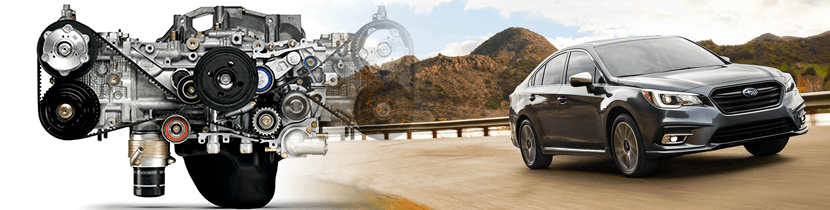
At Capitol Subaru in Salem, OR, our service team can inspect your vehicle's drive belt and related components as part of your maintenance routine. Rather than relying on a universal replacement interval, consult the maintenance information for your specific Subaru and have the belt inspected when appropriate. Our technicians can help determine whether the belt remains in good condition or whether replacement should be considered.

Signs Your Subaru Drive Belt May Need Attention
A worn drive belt doesn't always fail without warning. In some cases, you may notice changes in your Subaru that suggest the belt, tensioner, pulley, or another related component should be inspected. One of the more recognizable signs is a squealing or chirping noise coming from the engine compartment. These sounds can have several causes, so a professional inspection can help pinpoint the source. Visible wear is another reason to schedule service. Cracks, frayed edges, missing material, excessive glazing, or other deterioration can indicate that the belt is reaching the end of its useful life. Because some types of wear aren't immediately obvious, periodic inspections can help catch developing problems before the belt fails. You may also notice a battery or charging-system warning light if the belt is no longer allowing the alternator to operate correctly. Changes in air conditioning performance can sometimes accompany belt or accessory-drive problems as well. However, these symptoms can also be caused by unrelated components, making an accurate diagnosis important before replacing parts. If you suspect a drive belt problem, avoid waiting for the belt to break completely. Having the system inspected early can help determine whether the belt itself needs replacement or whether another component, such as a tensioner or pulley, requires attention.

Schedule Drive Belt Service at Capitol Subaru
At Capitol Subaru, we're here to help Salem drivers stay on top of important vehicle maintenance. Our technicians understand Subaru vehicles and can examine the drive belt along with the surrounding accessory-drive components to identify wear, improper tension, unusual noises, and other potential concerns. When replacement is recommended, choosing the correct belt and installing it with proper routing and tension are essential for dependable operation. Our service team can complete the job using parts designed to meet your Subaru's requirements while checking related components that could affect the new belt. Whether you've spotted visible belt damage, heard an unusual sound under the hood, or simply want to know whether your Subaru is due for an inspection, Capitol Subaru can help. Schedule your service appointment online, contact our team, or visit our Service Center in Salem, OR. We'll help you stay ahead of drive belt wear and keep the systems powered by your engine operating as they should.
Capitol Subaru of Salem
920 Auto Group Ave NE
Salem, OR 97301
- Sales: 503-587-5500
- Service: 503-587-5500
- Parts: 503-587-5500